

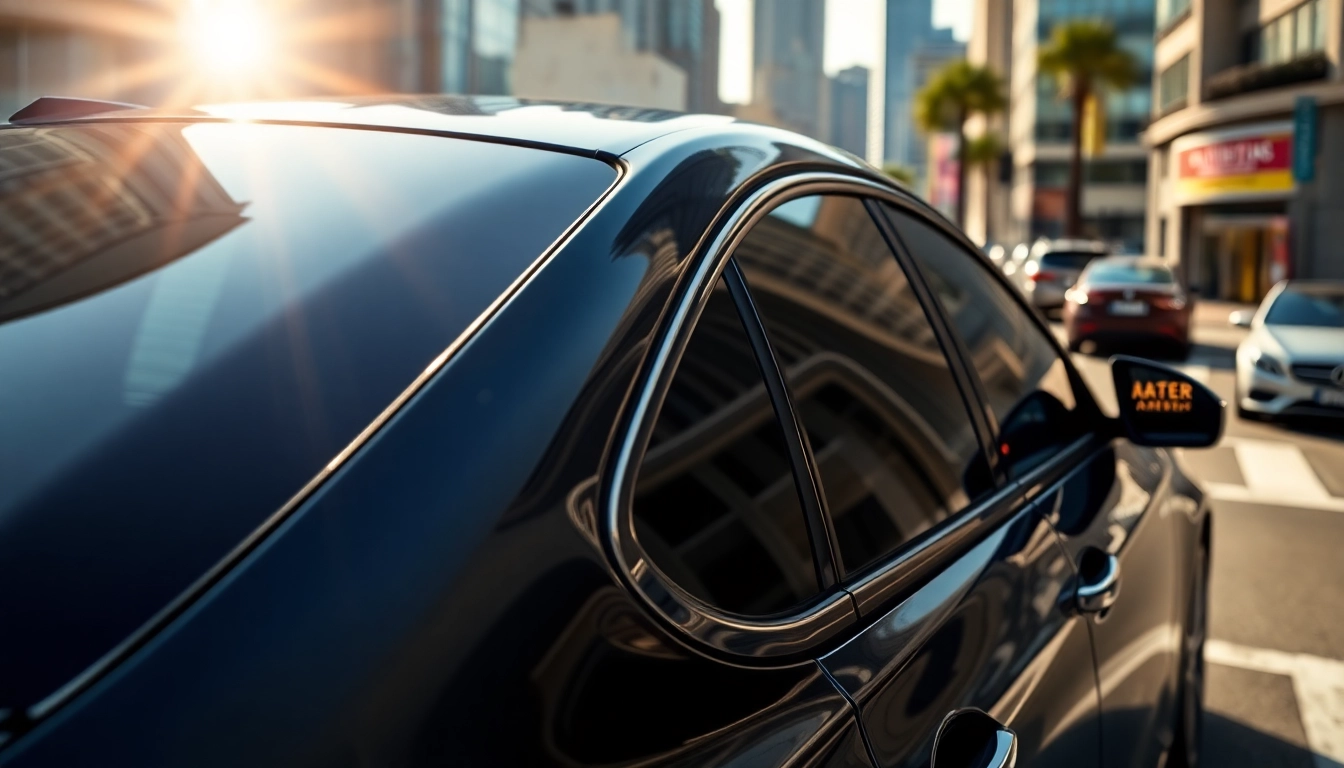
Understanding the Benefits of Window Tint Near Me
When exploring options for enhancing your vehicle or home comfort, searching for window tint near me can uncover a multitude of advantages. From added protection against harmful UV rays to an enhancement of privacy and security, window tinting has become a popular choice for many. In the following sections, we’ll dissect the manifold benefits that window tinting can offer, allowing you to make an informed decision about its necessity.
Improved UV Protection
One of the most significant benefits of window tinting is its ability to protect against ultraviolet (UV) radiation. Prolonged exposure to UV rays is linked to various health issues, including skin cancer and premature aging. The right window tint can block up to 99% of these harmful rays, providing a barrier between you and the potent sun.
According to the Skin Cancer Foundation, just one severe sunburn can double a person’s risk of developing melanoma later in life. Thus, investing in window tint not only safeguards your skin but can also help reduce the risk of interior furnishings fading due to UV exposure. This protective property is particularly beneficial for homes and vehicles where occupants spend considerable time in direct sunlight. Moreover, selecting high-quality window films enhances this protection, offering longevity and durability.
Enhanced Privacy and Security
Another critical reason to consider window tinting is the enhanced privacy and security it affords. Tinted windows can shield your personal belongings and increase personal privacy. This is particularly advantageous for drivers who store valuables in their cars or for homeowners who wish to establish boundaries from curious onlookers.
But the benefits don’t stop at privacy; window tinting can also provide an additional layer of security. In the event of a break-in, window film can hold shattered glass together, potentially deterring intruders and reducing the risk of injury from flying glass shards. Many families appreciate this added peace of mind knowing that their living environments are more secure against unexpected threats.
Temperature Regulation
How often have you stepped into a sweltering car on a hot day or battled uncomfortable temperatures inside your home? Window tinting provides an effective solution to these common woes by regulating interior temperatures. Tinted windows can significantly reduce the heat entering a vehicle or home by blocking solar radiation.
This benefit not only enhances comfort but can also lead to cost savings. With decreased reliance on air conditioning, you can lower your energy bills and reduce your carbon footprint. This combined outcome makes window tint a smart choice for environmentally conscious individuals who are also budget-savvy. Moreover, by maintaining a cooler interior, you can prolong the life of vital components, such as electronics and upholstery.
Choosing the Right Window Tint Options
With various tint options available, choosing the right one can seem daunting. Understanding the different types of window films, assessing their quality against cost, and being aware of local legislation can simplify the decision-making process. Let’s break it down.
Types of Window Film
Window films come in various types, each designed to meet specific needs. The primary types include dyed, metallized, ceramic, and carbon films:
- Dyed Films: These films utilize dye to absorb heat, offering a modest level of protection while enhancing aesthetics. However, they may fade over time.
- Metallized Films: These are infused with tiny metallic particles that reflect heat and UV rays. They provide excellent privacy but can interfere with electronic signals.
- Ceramic Films: Recognized for their superior performance, ceramic films block UV rays and heat without affecting visibility. They’re durable and non-reflective.
- Carbon Films: Optimal for heat rejection, they contain carbon particles for increased durability and reduced fading, maintaining the look of your car or house.
When selecting a type, consider the climate where you live, your aesthetic preferences, and your budget. Conducting research or consulting with professionals can provide further insights tailored to your specific needs.
Quality vs. Cost
As with many products and services, there’s a balance between quality and cost in window tinting. While cheaper options may seem tempting, they often lack durability and effectiveness. Low-quality films can bubble, peel, or fade over time, leading to additional costs for replacement. Investing in higher-quality films may be more expensive upfront but can save you money in the long run through longevity and performance.
Look for reputable manufacturers and installers who offer warranty and customer support. A nuanced understanding of what features to prioritize—such as heat rejection, UV protection, and privacy—can help guide your choice.
Local Legislation and Tinting Restrictions
Before proceeding with window tinting, it’s crucial to familiarize yourself with local regulations and restrictions regarding window tint levels. Laws vary significantly by state and municipality; for example, some regions have stringent laws regarding the tint darkness allowed on windshields versus side and rear windows.
Consulting local resources or professionals can ensure compliance with these regulations, thereby preventing fines or the need to remove non-compliant films. By proactively addressing these legal factors, you can enjoy your tinted windows without concern.
Finding Reliable Window Tint Installers Near You
Identifying a qualified installer is a cornerstone of ensuring that your window tinting project is successful. Adequate research and comparison can lead you to reliable professionals who are equipped to fulfill your needs.
Researching Local Reviews
One of the most effective ways to find reputable window tint installers is through online reviews. Websites like Google Reviews or Yelp can provide genuine customer feedback about services rendered. Pay attention to both the overall rating and individual comments, as they often reveal insights into the installer’s quality and customer service.
Engaging in conversations with friends, family, or local community groups can also yield recommendations. Personal experiences shared by acquaintances can guide you toward trustworthy professionals.
Comparing Services and Prices
Once you’ve identified potential installers, comparing their services and prices is essential. Different providers may offer varying types of films, warranties, and aftercare, which can affect both the upfront cost and overall satisfaction.
Create a checklist of essential services and use it to evaluate each installer. Some key elements include:
- Types of window films available
- Warranty offers and conditions
- Customer service availability
- Experience and reviews
This process will help ensure you’re making an informed decision focused on quality and value.
Checking Certifications and Experience
Securing proper installation is paramount for the longevity of your window tint. Choose installers that are certified by recognized organizations, as this reflects a commitment to quality and expertise. Additionally, experienced installers who have worked on various vehicles and properties are likely to achieve better results.
Inquire about their installation techniques and ask for examples of their past work. Many reputable installers will be happy to share portfolios or references from previous customers, reinforcing their credibility.
Common Questions About Window Tint
What are the different tint shades available?
Window tints come in various shades, including light, medium, and dark. These vary in their ability to block light and heat, with darker shades offering more privacy and heat rejection. However, local laws may restrict the allowable darkness, so check with your installer.
How long does the installation process take?
The window tint installation process typically takes 1 to 3 hours, depending on the number of windows and type of vehicle or building. During this period, it’s vital to keep the windows closed to allow the film to adhere properly.
Are there warranties on window tinting?
Most professional installers offer warranties on window tinting that can range from a few years to a lifetime, depending on the film selected. Warranties often cover issues like bubbling, peeling, and fading, providing peace of mind about your investment.
Maintaining Your Window Tint
After installation, proper maintenance of your window tint is crucial for extending its life and efficacy. By following a few best practices, you can enjoy the benefits for many years.
Cleaning and Care Tips
To maintain your window tint, use mild soap and water for cleaning, avoiding harsh chemical cleaners or abrasive materials that can damage the film. Use a soft microfiber cloth to gently wipe down the surfaces. Additionally, avoid rolling down or cleaning the windows for about 3-5 days after installation to allow the film to cure completely.
Signs of Damage to Look Out For
Be mindful of signs indicating potential damage to your window tint, such as bubbling, peeling, or discoloration. These issues can originate from poor installation, low-quality films, or environmental factors. If you notice any of these problems, consult with a professional for repair or replacement options.
When to Seek Professional Help
If any damage occurs or if you have questions about maintenance, reaching out to a professional is advisable. They can assess the condition of your tint and provide necessary solutions, ensuring that your investment remains protected.
FAQs
Can I do window tint installation myself?
While DIY kits are available, professional installation is recommended for the best results. Experienced installers know the best techniques, ensuring a bubble-free and durable application.
What is the best time to tint my windows?
The ideal time for window tinting is during moderate weather conditions. Extreme heat or cold can affect adhesive quality and installation success.
Does window tint affect visibility at night?
High-quality window films are designed to maintain visibility at night. However, darker tints may reduce visibility more than lighter ones, especially in poorly lit conditions.
How long does window tint last?
With proper care, window tint can last anywhere from 5 years to a lifetime. Factors influencing longevity include film quality and environmental conditions.
Is window tinting expensive?
Costs vary widely based on factors like the type of film, size of windows, and installation quality. However, investing in quality tint can save money by reducing energy costs and prolonging interior temperatures.